I learned of the imposter syndrome early in my career at a women’s professional meeting, and through the years I’ve come to understand that the imposter syndrome is not just for women anymore. Way back when, the speaker on the podium described the phenomenon she said many women experience, and I immediately recognized the inner voice I constantly heard telling me, “You don’t belong here, and the minute they discover that you don’t deserve to be here, they’ll shame you and kick you out. Save yourself the embarrassment and shrink down so no one notices you… or just leave now!”
Listening in a large crowd of women nodding their heads, I felt seen and experienced a sense of validation. But I also suddenly felt vulnerable and exposed. Because, while I was relieved I’d discovered that this feeling had a name, it also became something I felt helpless to change. I chalked it up to something I’d have to learn to live with as a woman in professional circles.
Over the years I came to find that almost every woman I met, actively participating in the workforce or not, experienced some form of the imposter syndrome. It didn’t always stop us from succeeding, but it took its toll on us all psychologically, causing unnecessary levels of stress and anxiety, particularly when operating in our stretch zones.
Imposter Syndrome: A Feature (Not a Bug) of the Human Psyche
While I’ve come to see the imposter as a friend and ally, helping us navigate the discomfort of our stretch zones, until very recently I considered it largely a function of the female psyche.
So imagine my surprise when I began to hear men admit to encountering this voice of doubt! Both privately and publicly, I’ve begun to notice men owning up to the imposter syndrome in articles, podcasts and personal conversations, and it’s now clear to me that the imposter syndrome is not just for women.
Overall I think men jumping on the imposter bandwagon is great because it means:
The imposter is a feature of the human psyche and that women are not more “broken” than men
Men seem to experience it differently, and in so doing demonstrate strategies to overcome it
Men are beginning to role model new levels of vulnerability, which can take the shame out feeling less confident for women and for other men
When I hear men talk about their imposter feelings, they almost always quickly follow it up with how they moved on, which I hear women verbalize less often. Many men share their imposter as a success story, “I felt uncomfortable but pushed past it,” while women tend to share it as a core dynamic beneath their lack of confidence.
I think that the “I pushed past it,” attitude men express can feel a bit inauthentic to many women, for reasons I speculate on below, but overall I’m glad they’re speaking up. I do believe that imposter feelings are normal human reactions to operating in new environments with higher risk levels, particularly when you haven’t had to work with a new level of risk before. You feel over your head because you are. So I appreciate men who own up to this fact and show how it doesn’t have to get in the way of learning to manage our inner voices while also learning to manage greater risk and success.
How the Imposter Syndrome Plays Differently with Unconscious Bias and Cultural Stereotype
While I’m encouraged that men and women both experience this inner world of self-talk, I am very aware that they seem to experience imposter self-talk differently.
I think it’s important to note that while we all have an inner voice of doubt, that is not the only voice in our heads. We also have inner champions, allies, saboteurs and more. What I find most interesting about how women and men experience the imposter is that it provides insight into the ways internalized stereotypes can make us stronger or more vulnerable.
Based purely on personal experience with both female and male clients and colleagues I notice that men don’t tend to believe the imposter as “everything that is true about me” in the same way some women do. In my experience, women are more likely to feel helpless, as though the imposter is part of their core self, whereas men have been conditioned to believe it’s a passing state. And men’s self-talk response to noticing the imposter is in alignment with this, in essence, “This feels bad right now, but I can get beyond it.”
I once heard an interview with a former CEO of a major, Fortune 10 company. He bragged about how as soon as he took on the CEO role he started experiencing imposter syndrome all the time. He said that every morning he’d just look in the mirror and say, “You can do this!” until one day he proved to himself that he could, and his imposter quieted down.
Listening to this I found myself feeling that this strategy would not have worked for me at all. It would ring false, and thus would bring to the surface for me more cynicism and doubt. Then again, I realized, I don’t really recall many external voices in my life telling me, “You got this” when it came to taking on big professional challenges, especially early on. I recall most people expressing surprise that I wanted to take on a professional risk, or concern that I would be putting myself or my family at risk financially by doing so. The subtle message was, “It’s safer to play small.”
And this tracks with my experience of what women and men encounter in many workplace cultures. Following cultural stereotypes that reward high-risk plays from men more than women, men are often encouraged to go for the gold while women are more likely to be cautioned to think twice and avoid setting themselves up for failure.
I must be clear that this is not always true for every man and every woman, but for me and many of my clients, the Imposter gives voice to these external forces by internalizing them so they pop up to plant seeds of doubt at the most challenging times.
So how can we keep the Imposter from tearing down our confidence completely?
The good news is that the Imposter Syndrome need not make us feel helpless. It turns out that we all have an inner critic that knows how to get our attention, but we also have other voices we can call on to help us manage it.
I particularly enjoyed the advice from an MIT Sloan lecturer to learn to manage your inner voices as part of the journey to develop your leadership skills. Here is what her advice boils down to:
acknowledge that your inner critic’s voice is not “your truth”
engage your “inner champion” to remind you that you’re human and resilient
turn to your “inner editor” for constructive criticism you can act on
The truth is that when you take on high-risk responsibilities for the first time you ARE an imposter, but only until you prove yourself. Those feelings of anxiety are there to help you pay attention to what you’re learning while you develop in your stretch zone, so that you do actually prove it–to yourself and everyone else! With greater awareness, self-compassion and mindfulness you’ll more quickly learn what you need to know to succeed, and your imposter feelings can fade away as that truth about you fades away too.
These lessons are just as important for men as for women to internalize so I’m really glad to see that the culture in general, and men more specifically, are picking up on the fact that the imposter syndrome is not just for women.
FREE PDF Guide to Women in Leadership
Executive Coach Dana Theus shares her tried and true strategies to help women excel in higher levels of leadership and achieve their executive potential.
I so appreciate this conversation with Saundra Gilliard and the powerful women who participated in my interview with her. We discussed the complexities of setting up true and impactful alliances across racial lines between women. It turns out that the answer to the question, “How can I be a good ally to women of color” is more complicated than it looks on the surface. Several of the women on the call suggested that we hold more of these conversations and I agree!
See below for audio file and full transcript.
Listen to Audio File:
Here is the diagnostic tool, STOP, that Saundra shared with us to help us be good allies to others:
S: Safe (understand your own stories about allyship and safety parameters)
T: Trust (establish trust with your allies)
O: Objective (know what you want to achieve through alliance)
P: Prevention (take on personal and systemic challenges for long term impact)
FULL TRANSCRIPT OF “HOW TO BE AN ALLY TO WOMEN OF COLOR (AND ALL WOMEN)“
(please pardon automation-inspired typos)
Dana Theus: Hi, everybody.
Welcome to this wonderful conversation on women allying with other women across racial and other boundaries. I’m Dana Theus InPower Coaching, and I’m here with my good friend and colleague Saundra Gilliard, and the more we talk, the more we find we have in common. And this may not be the last time you hear from us.
Saundra is a wonderful thought leader on allyship and so many other things, because she’s a coach and a performer and a creative soul, but she comes from a background in like fortune 500 corporate America. And as, as kind of, as I do too, although I’m not nearly as creative as she is. And it’s really interesting when you have this sort of corporate background and you think about what it means to be an ally in the workplace in particular, but in any setting, things get complicated.
And Saundra has really been instrumental for me and helping me understand what it means to be an ally, at a deeper and much more important level. So, I’m going to open with a story in a minute, but, first I want to just say administratively, what we’re going to do is Saundra and I are going to kick off
[00:01:43] Saundra Gilliard: because I’ve taken all of my 25 years of working in corporate and, doing, as you say, storytelling and finding creative ways to get women’s voices, heard. And, it kind of evolved into me having this business for nearly free, which is an advocacy service for women. And, when I started to delve into that, I realized that there were some behaviors that women, you know, we all have you and I both adapted because he was successful women.
And you did what made you successful in an organization? not knowing that we were actually becoming men in high heels and we were actually, we were actually mimicking the behaviors of men, which wasn’t that advantageous to women, you know, behind us. So I began to focus on how can women help women achieve.
[00:02:30] Dana Theus: Interesting vision they’re taking, taking on the leadership traits of a man, because that’s what leadership meant right. Back when, when we started in particular in corporate America, that really, that really was it. well, I want to applaud you for that. And I w I want to, I want to share the story and get your reaction to, which kind of where you and I took off on this whole concept of allyship and why it’s much more complicated than that.
I thought it was, there was the time a few years ago where, this was before George Floyd, and there was an election. Let me just put it that way. There was an election. And after the election, a lot of people woke up feeling not very safe. And it’s probably fair to say there were a lot of people who woke up and did feel safe, but not on my feed, not in my community, not with my friends.
And a lot of us were really like, what do we do? What do we do to help ourselves and each other? And on my Facebook feed, there was this someone posted like, oh, wear a safety pin. Put a little safety pin on your collar. And that will tell people who feel like they need a safe space, that you’re an ally.
And that they can go sit next to you or they could talk to you and you can be an ally. And this appealed to me because I was feeling very helpless. You know, I was probably, suffering from, was it called slack division? I just, you hit like a lot and you think you’re making a difference, right? But it was better than doing nothing.
And I was feeling really helpless. I thought this is great. I want to wear a safety pin. I want to [00:04:00] tell everybody that I want to help them. I want to create safe space for them. And I said something to that effect on my Facebook feed. And one of my friends who’s a woman of color really came on and got very angry with me on Facebook and was like, this is not the kind of help we need.
We don’t need your help. You know, she’s like, we don’t, you’re not my savior, you know? And she got very angry and I was feeling a little vulnerable to begin with. And I really, I took that very personally. I, I reacted very emotionally in a negative way and I struggled to understand where her. where her anger was coming from, that was being expressed as me.
As someone who wanted to be her friend, I am her friend, but you know, someone who wanted to be her ally in this environment where, where people weren’t feeling safe. And what that did for me was begin to open a door in my mind that I have come to understand something you’ve taught me is being an ally is not a one-way street.
You can’t just wake up and decide to be an ally and not have anyone not have alliances. But I’m curious for, when you hear that story, what does that make you think of? What, what, what do you think was really going on in my Facebook feed there?
[00:05:11] Saundra Gilliard: So two perspective, one is the, perspective of being an emotional reaction.
And, you know, when we hear about the horrible things that happened to, African-Americans and because that’s a perspective that I can speak from, although I think it can go across all, you know, people of color when we have, you know, white women or white people in general, all of a sudden get emotionally evolved, you know, and wearing a pin, putting black tape over their mouth that usually happens for a segment of time.
As long as that emotion is rising high, and then it dies out. And what it doesn’t do is leave us any better than we were before that emotional reaction. So I’m, I can almost feel that the person that responded to you was probably thinking, okay, so what’s going to happen after you take that pin off. I am still going to be the same place and better yet.
What did you do for me before you wore that? You know how much top of mind was my cause or my position before you selected to show how emotionally you’re involved, having your emotions about me doesn’t necessarily help me get the things that I’m looking for. And so when we’re talking about allyship, I think that right now there’s a buzzword.
It was a buzzword. And, in the 1970s, when we had affirmative action. So you have people jumping on a bandwagon with affirmative action, but there are so many other ways that, I think as women, we could take the steps to come to that ally ship. And first of all, it would be how many black women do you really network with?
I mean, in your network. So you jump from not having a network to an ally, how many black women or women of color have you mentored? How many of them have you sponsored. And then to go to the allyship, which to me, you and I discussed it. That means that you have created a common ground, a commonality that you not only want to help me help me individually, but you also want to help remove some of those barriers, barriers that are getting in my way.
Like, you know, what are the practices? What are the procedures? What are the policies that you’re going to connect with me to help remove those, you know, out of the way. So it’s a whole line of, steps that we take before we jump into the, our ship. And that’s what I’m assuming that she was feeling out of nowhere.
Superwoman comes to save the day we’re in a pin. Yeah. so I hear that. And I think you’re probably right on a lot of those things that, you know, in retrospect, this was years ago and the conversations that I’ve had with her and other sense, but, you know, unpacking some, a couple of things you’re saying, I think are really important and are meaningful to me.
[00:07:52] Dana Theus: And in helping me try to understand, like what this really means. One is this distinction between the emotional reaction and the emotional commitment to, to do, to take sustained action, you know, and, and, absolutely that was a factor. You know, I, I w I was in a place where I wanted, I very much emotionally wanted to be helpful and I didn’t know how to do it.
So I was like, here, I’m going to put a symbol up. And now I’m fulfilled because I’ve satisfied my emotional problem. And I really haven’t done anything for anybody else. and, and so that makes a lot of sense. and the other piece of it, though, that I think is important is, that issue about, you know, you’re going to come to save the day.
Like I could save the day, like, like that’s even a possibility, right? Because it’s not like that was the first day of my life. I said anything positive about racial justice. And I think sometimes when we hear that, we think, you know, there’s a, there’s a whole trust issue that happens between, women of color and I’ll speak specifically, you know, because I am an African-American women woman.
[00:08:55] Saundra Gilliard: I have been in the corporate environment. I have been in the educational environment. I have been in a lot of places where I have had to compete with white women. And, so there has historically been a trust factor, between, at least myself and, and many of other people that aren’t. talk to and deal with, and that trust factor, you know, stands in the way.
Number one, and then number two, this whole notion of entitlement and privilege so that when you have a person struggling, you know, there’s food scarcity, but you have the white savior, who’s gone to treat you to lunch. You know, that doesn’t, that ha that allows you to eat that meal, but it doesn’t allow you to address the problem that that may cause that food scarcity to be in place.
And so when I’m thinking about white women who want to put on a cake to save me, or to show me that from an emotional standpoint, that we’re sisters. It does. It still leaves me after your emotions have healed and you’ve forgotten about it and he’d gone on, he’s got other things. I am still dealing with the issue of being a black woman in this [00:10:00] society, doubling any of the, the burdens that you, that you as a woman feel.
So those are the issues that you really have to look at when you’re trying to say that you want to be an hour, you know, to I’m a woman of color, understanding that it’s not just your emotions that, you know, she’s looking to get it. I mean, we have our own emotions because they had to for awhile, what else can you bring to the table?
As my daughter would say, what else you got and that you bring it to the table.
[00:10:29] Dana Theus: And I think too, I’ll tell you another thing that, that helped my knee with my perspective. And it builds on that point. You were just talking about, which is. When I put a pin on my profile, I make it about me and it’s not about me.
And one of the ways I came to appreciate that point is roughly the same timeframe, but for different reasons, I began to realize, well, wait a minute, minute. Yes. I have privilege as a white woman. And that, that gives me a special need to participate, but it [00:11:00] also makes it challenging for me to participate in a way that centers me.
Like that’s not what it’s about, which by the way is how I feel when men say they want to help me. Right. So when we look at. We look at it through the lens of how do we use privilege correctly and well, wherever we are on the privilege ladder, you know, we can see the limitations of what we want.
People who have a higher privilege than we do to, to do, to help us and, and centering themselves is not the answer clearly, you know, give up what a good point up with privilege. So my answer to individuals who come to me and say, that, you know, they want to evaluate their privilege. I asked them what pain point are you willing to accept?
[00:11:49] Saundra Gilliard: You know, to show me that you are an ally with me, what was your pain point? You know, your preference is going to be there, you know, by the, by nature of where we live and the nature of the color of his skin and a whole lot of things. So I’m not as concerned about your privilege. I want to know what pain are you with?
To endure to show me that there was a commitment. and I’m always thinking about, when we talk about allyship and we look at privilege, I think about, I do a lot of history, you know, because I tell stories. So I do a lot of history and I always try to get into the minds of, I think about those three students, Chaney Schwerner.
And I forget the last person, but two of them had privilege, you know, but, and they, and they were not tied to any one particular in that movement. So they were the epitome of showing me that they were in fact allies. They had nothing to gain everything to lose. There was no notoriety. Some of them, one of them have even lost the connection with their family, but they had a common ground.
A common denominator was to eradicate racism. And they were willing to do, they were willing to take the pain of [00:13:00] doing that. And when we look at what an ally is, even a turn of the war, it’s like, where are we going to find common ground to protect one another? And so returning this ally with what I call the George Floyd syndrome is that now it’s this catch phrase that I want to be your friend today because the world is so bad.
And I feel like I’m carrying this heavy load. And so I want to find a way that I can feel like I’m, I feel you, but what is the outcome of your feelings in terms of me in this place that we call, you know, Sharon is America together? Like, what is the outcome of that? And you know, that I’d love that analogy of like, are you ready to get on a bus and risk your life?
Right? Like, like what are, what are you willing to do? And I know. I’ll give you a, I’ll give you a, a mental track that I’ve experienced and I’ve talked to other people white and not white, you know, but all with privilege, you know, and, and, you do, when you have privilege of any [00:14:00] kind, you have to stop and say, am I reeling to risk that privilege a for myself or my family for anybody else that would be affected by that.
[00:14:08] Dana Theus: But also does that diminish my ability to be helpful, right? So it’s like, cause that privilege is leverage, right? So if you, if you, how you use it is important. So there’s that all those ways of thinking about it. And then there’s also like, well, maybe I am, but what can I do? That’s really meaningful. What can I do?
That’s really helpful. And the thing I found, so mindblowing, when I kind of got to that at one point is your analogy of the war in a true Alliance. You sit down and talk together about, well, what, how can you use your resources and your privilege? It’s like, what is useful know. If I don’t talk to you, I don’t know if making a donation to this organization or standing up for you in this meeting, or I don’t know what’s most useful, but if we’re in conversation and we say we have a joint purpose, our joint purpose is to help the people in, in our team
you know, see their bias that they’re not seeing and learn to respect you or me or anyone else. We’re going to have a conversation about that. We’re going to agree. Yeah. It’s meaningful. When we speak up and say, wait a minute, you’re talking over her. So let’s do that. Right. So in conversation with common purpose, Then it’s easy to me for me or you or anybody else to make this decision.
[00:15:24] Dana Theus: Yes. I’m willing to take that risk because I understand that it’s important and that it will have an impact. So yes, I am willing to take that. You, then you bring up a good point and I hope the listeners really caught this it’s that, you’ve mentioned sitting down at commonality that I talk about when we want to come up with solutions.
[00:15:41] Saundra Gilliard: Like they don’t come from the community or the people that you’re serving, someone sits up high and decide that here are some of us here’s, what’s going to solve that problem. And, Renee brown, I’m also a sociologist. Renee brown gives us a wonderful way of, Of looking at that it’s grounded theory.
It’s there, you know, so what happens is that instead of using your, your old methodology of trying to solve the problems for people in society, you go talk to those people, you find out what they want and all the data that you collect comes from them. So it’s not that you have a, you have a, a way of you thinking that a social system should work because you know, you have all the studies in the empirical data, you get them, you get rid of all of that.
You come there with an empty mind, a pen and a piece of paper, and you listen to their stories and what you get out of their stories is. Common codes that you would understand what their real problems are and inheriting that together. You find a solution, which I think is just so beautiful about what Renee brown writes about because she uses grounded theory.
You know, she’s a storyteller. Also, she understands the power and letting people explain what their problems are and help and be helpful in that solution. So when we go back to this whole thing of allyship, you know, my position is, is that the buzzword or is it a real word? Because there are so many different ways that you can help women without Wheeldon this term, I’m an ally, you know, I just, and I, and this is what I want our listeners to walk away with.
When we get a little later, we’re talking about how do you do that self-assessment to determine, at what point are you from a personal perspective? Because it might be, you might start out with just networking. There are some women who believe it or not. They want to be allies. They have never been around more than two black women or two women of color and their entire lives, you know?
So it’s like, how do you, how do you assess where you could really be the most effective? And that’s what we’re talking about. How can women be effective for other women?
[00:17:51] Dana Theus: if you want to come in with a question, like raise your hand and I can make you a panelist or you can type it into chat. And, and you know, one of the things I like [00:18:00] to do in this conversation is get into some specifics, like, like for example, you know, women get talked over in meetings.
Well, black women get talked over even more and sometimes by white women. And so I don’t know if that’s the best example that people want to talk about, but, but examples where we could say, well, what would it look like to be an ally in that situation? You know? Like, like what does it look like? Cause this, cause all this stuff.
Really important, but it is abstract until we’re put in.
[00:18:30] Saundra Gilliard: Yeah, I have a story. cause I grew up, I told you before that I grew up in a beehive, you know, what would I call it? Because she was, she would be what one would consider, you know, queen bee, a white woman who actually took my hand from the day I walked into my first corporate job and she, fought for me.
She prepared me. So she was, she was probably a mentor and a sponsor. And an ally volt up into one, and we’re talking about an 85. She took me straight out of $3 grad school. And I, and I sat almost at her feet. She made sure that there was room for me at the table. She made sure that there were a corporate corner office it’s opened up for me.
She prepared me. She paid for any education that I were company. She made sure the company financed any additional education I needed in terms of learning how to do a particular role in the organization. She went to bat for me. She also pulled me aside when she thought that I didn’t handle something correctly and.
Always willing to give me advice on how so she became a mentor, a coach, an and an ally because she fought for, she fought for against discrimination that I was going through, you know, in the organization. And I always had her, she was the one who put me on the ground in terms of, of being a, a corporate woman.
And she said to me that, watch out for women at corporations. And this is the white woman. This is the white woman. And, she went, she was just so, so it’s not that there are not women who can do that. It’s just that you have to take the barometer of where do you stand personally in terms of. So, Saundra, we have a question from Donita but Saundra I’m encouraging you to come on either video or audio, or I see you on video.
[00:20:32] Caller: Well, good afternoon ladies.
How are you? Both doing wonderful.
Saundra Gilliard: Wonderful. Thank you for joining us.
Caller: Oh, absolutely. Yeah. So I just wanted to, comment, but at the same time, you had mentioned Saundra, Dana. about what it looked like, in a situation where, you’re in a meeting and you’re it actually, let me, let me back up a little bit.
So let me introduce myself. I’m in the Philadelphia area and I’ve been in corporate America for wow. Like 25 plus years, in the it space, have been here. I’ve been in that area, you know, for quite awhile. And, and so I’ve. I think I’ve seen it all. I think I have an experienced it as well.
So one thing that I have experienced, is, say like if you’re in a meeting, and you actually somewhat, you put out your idea, about, whatever’s happening or whatever’s going on, or whatever’s being presented and you put on the table, something that can contribute to the conversation and, or, an idea, and no one gets it.
But then when, either a white man or a white woman, will repeat basically what you just said. And it’s like, wow, that’s a great idea. So how would an ally handle that situation?
[00:21:53] Saundra Gilliard: What, and I’m going to do this because I had a wonderful one. the person who, mentored coach and weather ally for me, stopped the meeting and said, isn’t that the same question or the same response that Saundra just gave? What are you adding new to that? Wow, that’s good. That, and as she said, that’s why I knew she was in my corner.
And I can tell you this Saundra after about two times of doing that, when I sat in ball board meetings and made a comment, there was no repetition because she had already set the stage. Is that if she says something, if you’re going to repeat it, forget it. Unless you’re going to add something more profound to it, but how many women.
Have the ovaries to do that in a meeting, right? Yeah. Because they’re back there. They’re vying for position themselves. Exactly. Yeah. So, you know, you have to what they have to walk that fine walk. I mean, I think today, at least in the company that I work with, I actually now feel, comfortable. I mean, it’s very sad that it’s taken so long.
But I do now feel comfortable to say. You know, my position on things. and then every once in a while, I will hear, a white man or a white woman, kind of speak up and, provide the feedback that you had just mentioned. But it’s very far and few is very far and few. and as I listened to, the both of you, it does help me to realize that I may have had mentors in my career.
But I don’t really feel like I’ve had an ally, whether it’s, you know, a, a woman or a man, who outwardly, as you had provided the example outwardly, would, you know, state to others that, you know, Hey look, almost like, listen to this person. don’t put whatever this person said aside. And give credit to someone else.
I now recognize that I have not kind of listening to your explanation. So one of the questions and I’ll let someone else answer. So how do you, do you have to proactively seek that ally or will that ally recognize you and want to pour into, or provide that, that net safety net or that growth or the opportunity to help you grow in whatever area that you’re in?
[00:24:19] Saundra Gilliard: That’s a great question. And I’m going to fold that in before Dana speaks, I’m going to fold that in into a comment I see by Dr. Powell and that about personal power and being able to hold on to personal power while you’re helping someone else along the way. And so to answer your question is that two things have to happen if you are not being mentored or coached or allied.
You should step into that power. And if you see someone that you think is in the position to do that, ask them, but you mindful of the fact that they have to within themselves feel comfortable. That that is something that they can do. And we’ll talk about the stop framework that I have for a person to do that because the person is in a BPC seat or above doesn’t mean that they have the internal capacity to be an ally, or even to be a sponsor for that matter.
So there is something that has to happen. If something happened happen has to happen within them. And even though you ask them, they may not be, but here is a pro tip for everyone step into your own personal power. So if you’re at a meeting and if someone would be peace yourself, what is wrong with you saying John?
You know what? I’m glad you agreed with what I just said. You know, you know, it did you have, we have to find way to claim our own power and particularly black women. I, you know, I teach women that you have to find a way to do that because you cannot guarantee that at that meeting, somebody else has your back.
So you have to start establishing your own personal power and finding ways to be heard and be seen even when there’s no one to shine light on you.
[00:26:03] Dana Theus: And I actually want to bring in Dr Sy, but I want to say something as a white woman who wants to be helpful to black women and women of color and LGBTQ and anybody else who feels marginalized in any situation, it’s not always clear. Who wants an ally and what kind of ally they want. as my safety pin story demonstrates, you know, sometimes you try to say I’m an ally and that’s not what they want, or they don’t perceive that. That’s how they want it. So what I would say is for both, for anybody who sees an opportunity to be an ally, or who wants an ally look, look, we’re all human beings.
We have human relationship opportunities, you know, it’s totally fine. (And this is true for getting a mentor as well.) You know, like after the meeting go up and say, I didn’t speak up enough. I apologize. Should I have, would you have felt comfortable if I had, or you could go up to somebody who, privately has said that they know when you get talked over and say, I really would have appreciated it if you could have spoken up in that meeting, it would have been very helpful to me. Would you mind doing that more proactively and use that as a bridge into a conversation?
Like I was saying before, it’s not about unilaterally deciding I’m going to be an ally or I’m going to seek allies. It’s about finding relationships where you and the other person are both comfortable supporting each other and even have conversations about what does that look like?
Because you both know if you over, if you tell the boss to, you know, to shut up and agree with you, you’re both gonna get downgraded. So maybe that isn’t the response in that meeting when the boss is talking, but you can brainstorm ways of sort of saying privately to the boss. Did you realize you spoke over this black woman and it didn’t look good for you, but in a private setting, not in a public meeting. So, I mean, there’s various ways to respond to it, but I just encourage everybody, Don’t sit there and feel like it’s all on you privately. Start talking to each other who you, people you think would be allies or mentors.
And I’m after saying all that, I’m going to see yourself and it built on the personal power comment, because I’m all about that.
[00:28:15] Caller: Such a good conversation to be having. I’ve been in medicine for 38 plus years and talk about, hierarchy and, corporateness, come on. It’s like it was, it was all male domination as well. They didn’t even have female locker rooms for female physicians. When I first started, I had to change with the nurses, quote unquote, but it is really about personal power. And, the thing about power is that you have to earn it. You have to hold on to it and then you have to be willing to risk it.
Have it be a little bit vulnerable when you do step up to defend and support someone else? I’ve always said that I did a lot of mentoring in my career and I was not mentored. I just don’t believe that I was, but. I actually asked for help. I saw this wonderful, accomplished physician published and did all this stuff, and she was relocating to my hospital and I knew what we went into each other and all kinds of different, other ways that when I approached her and said, can you help me with this project?
I would love, she was like, I don’t understand what you’re asking of me. She literally said that. And I said, well, I was just looking for someone to mentor me and to, you know, and she just, she had no clue and she literally refused to do. And years later after I’ve done my stuff and published, and that we ran into each other again at another conference, she laid her with talking and she says, oh, I you’ve done so well, you know, why didn’t you speak up?
And we could have worked together. And I was like, excuse me. I did ask you. Okay. She had, she didn’t even remember. She said no. It’s really, a very important. Piece to one, stand into your own power to say when someone is not, being, respectful of your input. I had a friend and who’s, every time she raised her head, they would go, oh my God.
Okay. Now, Sally Ann, because they know that she was going to laser them and she would be right. You have to be on point. You have to have a good idea and who can argue with that. They cannot. And it’s a matter of really standing in that power that, you know, you are right. No, you should be heard and you can respectfully state.
You know, you made a comment like, God, I love the way Sondra said she’s went, but then you just repeated what I just said. I think that’s, you know, I’m glad that you’re on board, that kind of thing. You could make it so that it’s not as, you know, negative or as derogatory, but you need to really call them out because it’s unconscious bias that we’re working against here.
People are not purposefully doing it. They are unaware that, that, that they’re doing that. And you, you know, the, and you can speak to the, cultivating their awareness so that they can then hopefully change. Well, you know, one of the things that I like about what you’re saying there about being in your personal power is particularly when it’s unconscious bias.
[00:31:34] Dana Theus: Yeah. The fact is we never really know why people do what they do. Maybe they’re a bully. Maybe they had a bad day. Maybe, you know, maybe, maybe no one helped them. So they don’t really know what it looks like to help other people. We like, we have no idea. Maybe they’re just nasty. And when, when our response to that as being in our own power, then it doesn’t matter.
The reason that they are, or aren’t helping us, we’re not vulnerable to that. And if they can help us, they’re more likely to want to, because we’re not coming to them saying, save me, save me. We’re coming to them saying I am powerful. and I would like to share what I have to give in a relationship with you and a lot of people really respond well to that.
So there’s, there’s no downside to being in your own power and, and with the possible exception of letting anger get the better of you when you’re communicating it because, anger just always triggers other people to defensiveness. and so when, when our power is expressed as anger, even if it’s righteous, it’s justified, it’s human nature that other people push against it. But, but we really can’t go wrong by standing in our own power.
[00:32:42] Saundra Gilliard: And I think that, both of you raise a good point. since we’re talking about women helping women have been being to be powerless for so long that a lot of women don’t recognize the power that they have. And one of the things that I know you and I, both Dana and work with is helping women identify, and, utilize that power, you know?
So how do you, because , most women will get upset about, we talk about what, what the depression rate is for women, that is brought on by having, difficulties at work. And it’s because they haven’t learned how to use their power without being angry. And I know for a lot of times, even as a black woman, even when I’m not angry, because I raised an issue, I become the angry black.
And so as a, as a black woman, I always caution people that told me that don’t come angry because no matter how I present a position, I’m an angry black woman. Now I may not even shake my head or do a lot of things. If I just tell you the facts, I’m an angry black woman. And particularly if I do it more than once, then I become a label.
So we have to really watch this one size fit all because, because we’re in different situations that it doesn’t really, you know, you have to talk to the person who’s in that situation, you have to do the assessment of the environment, you know, what do you know who are they’re accustomed to? And if they’re accustomed to quiet meek, white women, a black woman that even complains will be the angry black woman.
And even if she says it nicely, you write a nice letter. So I, yeah, so I’ve been called the angry black woman, but my. My sponsor has said to me, you speak up no matter what, you know, and I promoted to do that. And I started promoting my angry black woman title now has come. Okay. here’s a person who’s going to challenge you.
So now I’m the challenger, not the angry person, but here is the deal. If you going to be angry or upset, as Dana alluded to have your facts, I was working with a woman who told me that she never had a chance to speak up on the phone. She was defining and finances, but I asked her, were you adding something, you know, To the numbers that were already given, you know, what were you adding differently?
You know, like, just like we asked men or whoever not to repeat what we say, you know, make sure that when you go to those finance meetings and just telling them what the impact is of those numbers, you don’t bring something so that you can get the respect so that when you talk, it’s not just because you want to hear yourself talk or bring something, particularly at a board, a board level meeting, you know, we want to get you there to get business done quickly, not to,you want to get your voice heard because you have something valuable to say.
So on the things that we talk about when we look at, you know, getting to know and getting to be in our personal power, and I want to bring Rosalyn into the conversation here, she’s raised her hand, and I will just say that, you know, there’s the angry black woman. Stereotype. There’s also just the, the bitch.
You just, if you’re a female, right. You know, you can be, men are competent and aggressive. Women’s off, which women are bitches or angry or angry.
[00:35:55] Dana Theus: And actually that’s a perfect example of where, you know, white women are very, very aware ofthat label. , And so I feel total kinship with the angry black woman, except there’s just, it’s, it’s the angry woman that I, I feel vulnerable to being. Or being seen as we all have the same problem, but it’s not the same problem
[00:36:14] Saundra Gilliard: Because when we’re called the black bitch, that we were we’re way past, but exactly, you’d rather deal with an angry black woman. Did a deal with a black bitch. Yes, exactly.
Dana Theus: So Roslyn join us.
[00:36:26] Caller: good afternoon, ladies. I love this topic and, I’m like a stocker of Saundra and the topic you guys are talking about is so much needed, especially with this young generation.
I come from a generation where. in the eighties I worked for, the government, military civilian, and in the field that I worked in because there were green suiters and civilians, there was still that line of, authority and being seen and unseen. [00:37:00] And I I’ve had a lot of hurt in being in the position that I was in because I’m a caring person and thought that we all work together as a team, but find out when promotions came in or, other things came available, different projects.
They wanted my work, but they didn’t want the person itself.
And how did you come to understand that distinction? I’m curious. I think, because it was such a few of us have covered. In, in the leadership position. And once I was elevated to that leadership position and, I’ve seen, the white Limon when it came time for promotion or, be promoted in positions, but I did the work.
So you kind of like said I’m being the person I am and being in the military environment, you just say, oh, that’s just the way it is. But now that I’m older and wiser and retired, I took a lot of BS that, I shouldn’t have. And, but it is what it is. And I think that it played at the end of my retirement that I did not.
Speak up because there wasn’t a space for it, even though I felt like I had that align with people and we would laugh and joke and go to dinner together. And we knew each other’s kids. There was still a borderline when it came to certain things, especially for promotion. And, and this is because it is the government.
I want to say that, Saundra was talking about the angry black woman. I think sometime our passion and the way I, I would say for myself, I bring out my passion was different than if it was brought out by my white counterpart. but, what I want to say is what you guys are. I have nieces now that are in corporate America that are facing these issues, but they job, you know, you mess with me, I’m gone.
I’m going to the next job and boy that because of their skillset, they’re able to get paid the money, but also I have, or they’ll start their own business heck. But I think that, there is, a space where we do need to bring this younger generation in so that they can stand their ground, be heard in a way that they don’t feel emotionally drained or emotionally scarred.
And still make a difference in this world. I think coming together is so needed, but if you’ve ever been changed or, being in the situation, that trust is hard.
[00:39:58] Saundra Gilliard: It’s interesting. You mentioned that, Rosalind, because we were going to talk about trust, if there are no more people who want to, address this issue, you know, I would be interested to know if that, if there was a woman, who is not a woman of color, had a comment, on what they, what they’ve been hearing.
[00:40:15] Dana Theus: I want to ask, I’m going to Donita. Excuse me. I’m going to offer you the opportunity to speak and kind of speak to your question cause it is about trust.
[00:40:23] Caller: Thank you. Appreciate it. Dani to Prakash, I am a white woman. You said at the very beginning, Saundra, about you gotta walk the walk, you know, for people to trust you.
You’ve got to be. Somebody who’s helping, people of color get opportunities, you know, what are you doing to stand up for them before you can then ask for alliances or, you know, offer help essentially. And so my question was, that’s all kind of, in my opinion, private stuff, right? You’re, you’re giving people opportunities.
You’re recommending them for things not so public. Right. So how will people know to trust you beyond the, the small network that you might have?
[00:41:08] Saundra Gilliard: You know, it’s interesting you say that because, people talk and we know that. And, and so that when you have been in, instrumental and helping, helping a person, move through a corporation, you can believe me that you will be known as a person who has done that, unless, unless, and we’ll talk about this, unless you are in a position where that information should not be known.
And, we talk about this, the stop, the stop framework, because sometimes safety for you. You know, sometimes people want to be held anonymous. They don’t want you, they don’t, they don’t want to know what they’re doing because of either their relationships and job or family or safety or security, they may not want those things, you know, publicize.
And I’ve had people say to me, you know, so-and-so recommended you for a position and I don’t even know who it is. You know, I don’t even know who it was, but that person feels, that was the right thing for them to do. And I do appreciate that. So allyship doesn’t mean that you’re always out publicly and your name won’t go on a golden wall, but you know, and that, and that’s the thing that we’re going to get to.
What do you feel that you could do? And if you have been instrumental and working with the person, and if that person be rejects your reach out, then it’s really them that they, that they haven’t found, but you know what you do. And that’s what I think Dan and I are trying to get to, is that being a person of caring air, regardless of whether or not there have been an emotional trigger, you know, how were you at your core?
If you are a person who understands that women have been marginalized and you have a way that you can accommodate or assist. If that’s who you are at the core, you will find a way to do that. And not just wait for the safety pin or the, you know, the, or the blackout or any of the other major social issues that come up.
[00:43:04] Caller: Yeah. Fair enough.
[00:43:06] Dana Theus: I would add to that Donita that I think that when we actually get into alliances with people and we start letting our vocabulary shift to accommodate what those true alliances look like, I think it’s the right kind of dog whistle to a whole bunch of other people that, we’ve had these conversations before. We’ve done things to help other people and we can do it again. I think it’s a subtle thing that comes across in and just who we are kind of to your point, Saundra, right? If that’s who we are, But it’s a growth experience and we have to change, you know, we’d have our vocabulary or way of thinking about these things, our way of having conversations about these topics shifts in ways that other people can understand and see and trust,
[00:43:53] Saundra Gilliard: You know, I know for me Donita, I’m actually very grateful for your question because the person who, mentored me was hated by most of the white women in that company that we worked for, because it was, it was obvious that she was looking at the racial issues.
And, but I wasn’t given any favors. I was given an opportunity and I had to take the ownership to make sure that I fulfilled my requirements to do that job well. But, it was no, they called her. You heard what kind of conversations that, so in that case, you know, that’s how I developed that.
Sometimes what you do may not be, what is the norm in the environment that you’re in and for her, it didn’t make a difference because, you know, she was the VP, you know, so, but the, the talk, you know, the back, the backbiting and, talking about her, because she made a decision that she saw some, she plucked me out of school because she knew that there had to be, and maybe with affirmative action that she was trying to fulfill.
And she did. But luckily for me, I had to kind of personality that not only did she fulfill that quota, she actually molded me into the person I am. And it was not easy for her. You know, it was not easy for her because she got, you know, she got a title for that.
[00:45:17] Dana Theus: And it goes back to your point about. True allies put skin in the game.
They take risk of some kind. That doesn’t mean that they put their entire safety, all their reputation at risk, but, but it has an impact on who they are, which brings us back to, you know, that’s how they show up and for better and worse, but it’s the choice they’ve made. One of the things that I was hoping before we run out of time here, Saundra, is that you, you share your STOP framework because to me, this was really important. It was an important way to break down,” all right. So I want to be an ally.” I, this person or this group of people, I want to support,how do I get into an Alliance conversation with them? I thought all of these factors were really important for that. [00:46:00]
[00:46:00] Saundra Gilliard: Okay. So I’m going to share my screen and I’m going to just very quickly, bring up a very short slide,You know about, you know, trying to decide whether you don’t, whether or not you are the person and at what level . I want to go back to the beginning to say that we talk about allyship and depending upon where you are in the stop method, you may not be ready for complete allyship for the reasons that, you know, Dana and Dr.
Sy and Donita, you know, just talked about, that there are some things that you have to consider. And so those first consideration is, how I looked at the acronym STOP. Okay. And so STOP itself is a, a self-assessment that you go through and to learn. What stories are you telling her? What stories have you been told about yourself and how you relate to women and particularly people of color.
So you have to ask yourself, how am I relating to women? You know, what a, what am I told stories or learn stories or perspectives about being a woman and this. Overlay [00:47:00] that. And two, what have I been told about, or I think I know about women of color or people who are just different from maybe godless of what color they are, but people who are different from me, which are including anyone who is in the LBGTQ or any of the other labels that we give to people.
And the first is that, you know, I put the S there for safety, but that safety also include what are your security issues? You know, what is that, self-sufficiency, challenges that you might have, when I talked about the person who mentored me. she was in a position where, you know, job wise, she wasn’t white, but she had a position where it didn’t matter.
I don’t know if she would have had that same skin in the game if she was a first-level manager or maybe even the second level manager, but because she was at the top, she had the safety and security issues were not a concern for her. And then we’ll talk about the T we just trust. And I think [00:48:00] the Nita talked about that, you know, how you build trust.
We know historically that there has always been a breakdown of trust between, women of color, particularly black women and white women. And this goes back to the way we looked at, women’s suffrage when, when black women were not considered part of the women’s suffrage, not because they were not women, but because they were black.
[00:48:25] Saundra Gilliard: And so then you had that race over, come over the fact that you’re a woman and that, and that attitude has been, rain. And since that time, For the most part, Dan and I both know that when white women first started going into these corporate environments, we mimicked white men. And so a lot of our behaviors and perceptions were based on white men and where black women came into the organization.
That’s, that’s what they saw and they felt, so we have this trust issue. How do you build trust? Or are you in a space where you are in a trustworthy situation to build an ally? And then we want to look at what are the oppositions that you have in terms of having that allyship. do you have to go through a particular people?
Does this person trusts you? Do they even want. Do they want you to be an ally for them? What are the obstacles that are set, set out for you in terms of trying to decide whether or not you could be an ally? And then the last is the one that Dana and I talk about a lot is the P and that P has to do with the policies, procedures, principles.
Like, what are you trying to accomplish? That’s going to perpetuate this allyship, like what is going to be the common, the commonality between you and the person or people you are trying to ally? One of the things that I have discovered is that an allyship is not for a person alone. What an allyship actually does is that a sponsorship will put you in the [00:50:00] office and allyship we’ll make sure that the office is available for others like you.
[00:50:05] Dana Theus: I think that’s really important.
[00:50:06] Saundra Gilliard: A sponsorship will put you in the office. But allyship, we’ll make sure that this office is available for others like you. So they are talking about trying to address the bigger issues that you have. And when we started, we talked about a number of ways that women can help women.
If you feel that you cannot be an ally, the way that I look at it in terms of having this common issue, you can still, you can still network. You can still be a, a mentor. You can be a sponsor if you’re in a position to open up doors. But if you are in a position to be an ally, then you are, and you have ingested a bigger concern about the injustices that are going on, in corporations and everywhere else in society.
And that’s where, you know, you want to play your game. So I’ll repeat what Dana asked me. An ally is opening the door for an individual. I mean, I’m sorry. A sponsor opened up an individual and the ally is making sure that those doors are open for all people that are like them.
[00:51:05] Dana Theus: And, you know, I don’t know where in the stop framework, you just suggested exactly this fits, but I just can’t say it enough. It’s in relationship. Yes. You know, it’s the desire alone, the intention alone just isn’t enough. It’s in relationship that a true Alliance can take shape that will impact that system you’re in. Because if you’re in a tiny little non-profit in a community, that’s serving black people and it’s mostly black people in the staff, alliances with white members of the staff and white members of the community and other members of the community is going to look completely different than if you’re in Rosalind’s military organization 15 20 years ago.
Right. It’s just that, like each of the cultures that we live in require a different kind of. Yes, the meaningful systemically and personally, and it’s only in being in relationship with each other, that we’ll figure out what that Alliance really looks like. And it’s just not unilateral. It has to be messy and, and involves a long-term.
[00:52:10] Saundra Gilliard: And it what’s so good about, you know, this conversation is that, you know, these are the questions that you have to ask yourself. And I know that we both would like to give you a one-liner and say, go forth and do this, but that is not the way it is. We’re talking about humans and we’re talking about interaction in a society.
That’s so predates us, you know, we talk about stories that have been long, you know, that have been told over and over again, just with different characters. And, what I would like for you to walk away with today is to understand that, you know, you have the ability to change these things. You have the ability to rewrite the narratives and you got to ask yourself, who am I?
And this allyship like you, who am I? Where do I stand and be truthful with you? And once you’re truthful with you with where you are, it will be easier for you than to go out and make those connections.
[00:53:03] Dana Theus: Yeah, and I think that’s a good place to end because we are at the top of the hour, I will say we have a couple of people who said, you know, we should be doing this more. And Saundra and I have talked about that and want to do that. I think Vanessa, you brought up a point too, that I think is worth noting that this conversation is worth having a general, like we’re having, it’s also worth having in your organization, in your community, whatever it is, I’ll just, I’ll offer myself and Saundra right now facilitate some of those conversations because it’s important to us that we figure out how to have these conversations for real.
And these are real Dana. They don’t build unscripted conversation. And I love the fact that Dana and I came to this because we were talking about this openly, that, you know, I was willing to hear, what most people would think, you know, you don’t want to hear. And Dana was hearing willing to hear what I had to say.
We came to that commonality. Well, regardless of what it is, the bigger picture is, is that we know that this is a problem.
Yeah. So I want to thank everybody who was participating, why the not, I want to thank Sondra, specially. Thank you so much. Thank you, Bernice. We’ll do it again. We hope to see you there definitely take care of you, and thank you.
Getting a promotion has never been so hard. The economy is in constant flux and burnout is running high, especially among women. One question many are asking these days is, “Do I even want a promotion? And if I’m unsure, why should I stay here?”
These words put chills down the spines of managers. Facing uncertainty many leaders can’t offer a lot of promotions to their teams and may find their top performers too tired to want them anyway.
Employee turnover costs businesses in real dollars as work is left undone and remaining employees who bear the burden burn out faster. So the eternal question, for workers and their managers both is, how do I motivate someone who wants a promotion I can’t give them, or doesn’t want a promotion at all?
Motivation Through Career Development
Most of us default to thinking the primary way to motivate the workforce is through getting a promotion for bigger title, more responsibility and more money. But for many reasons including those noted above, motivating yourself–or your team-with the “carrot” of more money or a bigger title is pretty passé. Yet as The Great Resignation/Rethink/Reshuffle continues, employee engagement and retention becomes an urgent challenge for every manager in 2022.
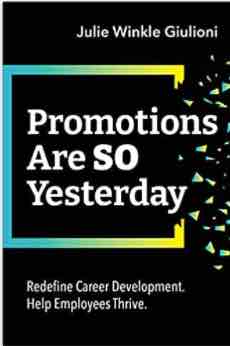
I recently interviewed Julie Winkle Giulioni about her book Promotions are SO Yesterday for strategies managers can use to motivate their employees without the option for getting a promotion. Her message: it’s time to look beyond traditional incentive structures. It’s time to focus on growing workers into strong, confident and empowered employees in order to achieve lower “cost” results by limiting turnover and building loyalty to their employer.
In our discussion (recorded below) Julie shared her research-based Multidimensional Career Framework – and actionable ways managers can develop, engage and retain employees
Here’s a high-level run down of the video discussion above:
0 min: opening & setup
2 min: why Julie wrote the book
5 min: research highlights
11:45 min: The Multidimensional Career Framework Model
19:30 min: the manager’s role in career development
31:15 min: “confidence” and the imposter syndrome as a motivator
45 min: the importance of “autonomy”
50 min: tools for managers
I really loved Julie’s book. It’s chalk full of practical tools and strategies managers can use in employee 1-1’s to engage them in many aspects of career development, far beyond “getting a promotion.” Buy it today.
There is no question that servant leadership for women and other historically under-represented leaders is an effective way to manage teams and organizations. Servant leaders achieve results, not by using their own positional power (e.g., telling people what to do), but by supporting and investing in their teams’ abilities to make things happen. Many leaders, especially those who are from historically under-represented backgrounds, are drawn to this “employee-first” approach to getting results.
While servant leadership is undoubtedly effective, one can argue that servant leadership for women can be tricky because it means that you choose not to use your positional power. However, I believe that positional power is still a critical element of success. Positional power includes the benefits (and detractions) of unconscious bias, which means that the positional power of a black woman, hispanic man and white man may well be different in different organizational cultures, even when they all hold the same title. So how can historically under-represented leaders develop their servant leadership style in ways that reinforce (not detract from) their positional power?
The challenges of today’s labor market and The Great Resignation, create an imperative for all leaders to balance their positional power with a servant leadership style in order to build employee loyalty and stem the tide of employee turnover. For actionable insights on this topic, I sat down with Ken Blanchard and Randy Conley, authors of the new book, Simple Truths of Leadership to explore the role of trust in leveraging positional power appropriately for under-represented leaders pursuing a servant leadership path.
Here’s a high-level run down of the video discussion above:
0-3min: Opening & setup
3- 9.5min: Discussion of positional power and servant leadership
9.5-15min: Discussion of how to be vulnerable and maintain credibility
15-19min: Both/and – Is servant leadership just warm and fuzzy feel goods?
19-23.5min: The 4 elements of trust – Ability, Believability, Connection and Dependability
23.5-25.5min: Deconstructing trust, control and change
25.5-27.5min: Controlling our ego and inner voice
27.5-min: The importance of taking time with your people
32.25-39min: Servant leadership in a toxic culture and situational leadership
Here are some of the principles in the book that are my personal faves (“ST”=Simple Truth):
ST #5: The key to developing people is to catch them doing something right
ST #12: Create autonomy through boundaries
ST#17: It’s okay to toot your own horn/catch yourself doing something right – if someone says something nice to you, accept it!
ST#30: Someone must make the first move to extend trust. Leaders go first.
ST#33: Fear is the enemy of trust
ST #45: The opposite of trust is not distrust, it’s control
ST #46: People don’t resist change; they resist being controlled
ST #50: Apologizing is not necessarily an admission of guilt, but it is an admission of responsibility
ST #52: Forgiveness is letting go of all hope for a better past
As more white collar and blue collar workers alike look to their jobs for more than a paycheck, many are wondering if it’s better to quit or try to shape their current job into something more meaningful. For the latter, a more self-directed career development strategy of job crafting the role you’re already in, can be a terrific strategy if you still enjoy aspects of your work and the opportunities it creates for you. But recrafting your current role takes some work so heed these job crafting tips. If you’re not sure whether to quit or job craft, decide first if you have the energy to negotiate with your boss. If the answer is “no,” then it may be better to start fresh elsewhere.
To be clear, it’s definitely possible to reshape your job without a direct, overt and open, negotiation. You can just be clearer about what you want to do and covertly try to move other responsibilities onto other people’s plates. This takes time to truly reshape your daily work and, unless luck is on your side, is less likely to get you exactly what you want. So negotiation is a good option, especially when you’re clear on what you want.
Let’s be honest. No matter how skilled a negotiator you are, putting your livelihood into play includes some uncomfortable risk. What if it all goes bad and they fire you? Or what if you “lose” and end up with a set of responsibilities you enjoy even less than what you’re already doing?
These are real concerns, however, they’re not very empowering. Fears like this tend to hold us prisoner to inaction. They obscure the fact that as we grow and change, we’ll outgrow our professional roles unless they grow and change as well. These fears keep us operating at the extremes, where we’re either happy or miserable. We have to quit or “put up with anything.” Operating at the extremes is often a “false choice” and is very energy-intensive. It leads to stress and burnout, which leads to poor health.
However, once you put yourself into a true negotiating mindset, knowing what you want and at what point you’ll walk away, it becomes easier to manage the risk. Psychologically, being ready for a negotiation means being able and willing to accept multiple outcomes (including the less desirable ones), before you begin the negotiation.
In short, don’t negotiate until you’re emotionally ready for the good, the bad and the happy surprise outcome.
Job Crafting Tips When Negotiating wtih Your Boss
“Winning” Mindset
Negotiation 101 advice: go in looking for a win-win. For you to win, you have to know what you want, and be able to help your boss understand it, too. For your boss to win, you’ll have to see your work through their eyes well enough to know where your perspectives align and where you can compromise. “Winning” is about clear communication, so start out with a clear understanding of your own wants and needs, and ask a lot of questions to help you see how your boss perceives their needs. With this understanding, and a willingness to be flexible, you can find the win-win.
For example, you may want more flexible work hours and your boss may need assurances that certain hours can always be covered. When you’re clear on what you mean by “flexibility” and what your boss means by “coverage,” you can often find a way for both needs to be met.
Business Value
While you’re a human being with a diverse, rich and complex set of skills, needs and interests, the organization can only afford you if you use all those assets to deliver meaningful business value. If the value you want to deliver is meaningless to your boss, your negotiation is doomed to failure from the outset. Get super clear on what business value matters to both you and your boss, and be sure that your proposed role changes allow you to deliver it.
For example, if you want to deliver new value on new types of projects but your boss needs to be sure you can still deliver on one “old” (but critical) project, be sure your new role configuration allows you to do both.
Development Framework
Your boss may be surprised by your request to change up your job, so help them see your request to negotiate in a professional development context. Share some of your career goals (or remind them of what you’ve shared before). Point out that you’re requesting these changes so you can stay in the organization and keep growing,and that you want your role to change and grow along with your own growth and change.
For example, instead of asking your boss to “change your job,” share with them your desire to keep growing and ask for their help to make adjustments to your responsibilities that allow you to develop new skill sets.
Ultimatums
Think very carefully about whether you want to give any ultimatums such as wording that implies “if I can’t negotiate changes to my role, I’m going to quit.” Most of the time, ultimatums in a negotiation are a bad idea because they take away your own flexibility to compromise or respond to opportunities you haven’t previously considered. An ultimatum also assumes you have a lot of power in the discussion, which may or may not be true (and even if it’s true, it can make your boss angry that you’re flaunting the power you do have.) For these reasons and more, it’s better not to reveal a potential walk-away point unless you’re 120% sure to follow through.
For example, if you know that you will quit or look for a new job if you can’t move XYZ off your plate, tell your boss that XYZ is really holding you back and that this is the main reason you’d like to discuss revising your responsibilities. Don’t tell them you plan to quit if they say “no” — unless you’re truly ready to walk out the door when they do.
Keep salary separate
You may find yourself negotiating your way into a new job that should come along with changes to your salary. This is fine, but I suggest leaving salary to the side until you’re closing in on what the responsibilities actually are. Once the job changes themselves are clear, you can bring up and negotiate salary. This is because it will muddy your motivations, in your own mind and in the eyes of your boss. Of course, if the real issue is salary to begin with, just say so and start there. One key to successful negotiations is trust on the part of both parties. When motivations become unclear, trust erodes.
Look for the surprise option
The best negotiation reaches an agreement that neither party was originally aware was even on the table. This is because no one can see all possibilities on their own, but in dialog, all kinds of ideas can come up. You begin a negotiation for exactly this reason, to explore opportunities and possibilities that aren’t apparent unless you’re looking for them with the other party. So go into the negotiation with a:
Clear understanding of your intention, what you want
Willingness to listen to the other person
Ear to what other possibilities exist
For example, you may think you want the opportunity to run a team, but when presented with the opportunity to run a matrix project, only managing people’s work (without administrative accountability for the people themselves), you may find yourself very happy to accept even though no one “reports” to you.
Sometimes these job crafting tips won’t work, because the other person isn’t a very good negotiator, because there truly aren’t very many options for win-win possibilities or because luck wasn’t with you. But that doesn’t mean you shouldn’t try.
Even if you don’t get what you want by negotiating with your boss, you increase your chances to get it anyway. After negotiating with your boss, regardless of the outcome, you will be clearer on what you want and because the universe was probably listening in, help may come from surprising directions. In either case, if you decide to quit or move on, you’ll do it with greater clarity and focus. And that will absolutely increase your chances of success in the long run.
InPower Women's Mastermind
We don't Mastermind your business. We Mastermind YOU!
Work is hard work. How to find purpose in your work is a hard question. Even when you know you are doing important things, showing up to do the hard work can start to feel like a grind. Pointless. Meaningless. Joyless.
I don’t want it to be this way. I want every moment of work to be joyful.
Unfortunately, regardless of who we work for, including ourselves much of the time, imperatives other than our own joy are always present. Organizational mission, revenue generation, boss and customer expectations and so much more compete for our time and energy.
Last month in a group mastermind call one member put it squarely on the table. She said, in a lessons-learned-kind-of-voice after helping manage a merger integration, “While leadership is often about big ideas and plans, a good bit of it is just showing up for others, making hard decisions so others know where they stand. Sometimes being a leader is just hard work and there is no way around it.”
All this can easily lead us to give up on the idea that we should even bother to find purpose at work. But I think giving up on this idea leads to the no-win zone. This is where the leader in you has to show up.
When you and others around you are struggling, lost in grind of it all, finding purpose at work acts like a lighthouse in the fog. Taking the next step to purposefully craft your work in ways that help you stay connected to this purpose is like having a compass and a map.
Join Our Women’s Mastermind
Organizations with women in their executive suites regularly out-perform others. Yet rising female executives (and their mentors) are frustrated at how hard it is to break through the glass ceiling. In this extensive guide, Executive Coach Dana Theus shares her tried and true strategies to help women excel into higher levels of leadership and achieve their executive potential.
Want to build a muscle? Work it hard until it’s stronger. Those who look for meaning and find purpose at work live longer and healthier lives. They’re also more motivated and tend to be more productive.
In my own life and my client work as well, I consistently find that the best antidote to stress and burnout is to tap into the deepest sense of purpose available. From such a purposeful connection I can always unleash a wellspring of professional and personal energy. It never fails.
Purpose isn’t everything, but sometimes it’s magical.
After much pondering and experimentation myself, I’ve come to believe that the search to find purpose at work is more than just a shortcut to motivational energy when I need it. I believe that focusing on the meaning in my work is also necessary for broader career and life satisfaction as it can guide us beyond surviving to thriving in the workplace.
Like a compass, north star or light house, which can always center and direct you on your journey, you don’t want to leave your purpose behind. Keep it close and consult it often. Your purpose can help you:
find (or make) your path when you feel lost.
tweak up a good situation to make it better.
see small accomplishments as big wins.
decide whether to stay or go when the workday BS factor seems too high.
Keying into your purpose–for your life and for your day–has a magical ability to provide perspective and point out priorities. It has the power to shortcut the noise and point to what needs attention. It can also shine the light on your achievements and give them greater meaning.
Is the Effort to Find Purpose at Work Really So Hard?
I don’t really believe that trying to find purpose at work is as hard as finding the time to find our purpose seems to be…
What is my purpose? Why am I working so hard? What can I do that matters? Who do I want to matter to? These are not questions anyone else can answer for you, and the answers you have to sit with, mull over and refine over time. Others can support you and offer clues in your search, but ultimately–much like leadership itself–keying into your purpose (much less your purpose at work) is a personal and inward journey before it becomes an external motivating force, propelling you towards success.
And of course one thing that definitely makes finding your own purpose challenging is that most companies don’t even pretend to care that much about their employees. A ‘shareholder value’ focus of organizational purpose permeates our business culture, justifying “always-on” work practices as well as ethically compromising mission sets. The result (especially in the midst of pandemic stress) is that too many people are burning out from both too much work and moral injury, which is now spreading beyond soldiers and health care professionals to many other job categories where people’s sense of ethics feel at odds with what they have to do every day.
As an employee and as a leader, if you want to bridge the gap, for yourselves and your employees, you will definitely need to make a commitment. You’ll need to take the time to find your purpose at work, connect and reconnect to it frequently.
How to Find your Purpose at Work
Start by looking at patterns throughout your career.
When have you felt most purposeful?
What were you doing during these times?
Who were you being during these times?
Connect the dots to find the common throughline
Next, put this throughline into words that matter to you and give you goosebumps. Put those words into how you talk about yourself, your job and your career. Put them on your LinkedIn profile. Craft your job to let you live and talk like this more often. Become an expert at this so you can help your team do it too. Keep doing this over and over, every day, month and year. Before you know it you’ll realize you’re not looking for your purpose anymore, you’re living it.
Want the shortcut to find purpose at work? Do a Worklife Reset to give you a personal brand storyline and roadmap to success.
Mary finally received her promotion! After years of positioning herself and working on her personal brand she finally achieved her goal and had been put in charge of a product division for a major manufacturer. Predictably, our first executive coaching call in her new role centered on one subject, how to overcome the Imposter Syndrome and her elevated feelings of doubt in herself since stepping into the new job.
I wasn’t surprised Mary wanted to discuss how to overcome the Imposter Syndrome because I can’t think of a single client, woman or man, who’s risen to a position of significant authority and who hasn’t run smack into some version of this debilitating mindset, with its insidious sense of sham and shame. Feeling fake, underqualified and bound to disappoint people is normal and natural when you take on significant new responsibilities, especially in an unfamiliar environment or context. If you’ve never done it before, of course you’re not 100% sure about how you’ll do it now, especially in the spotlight when the stakes are high.
While many of us experience challenges with the Imposter Syndrome earlier in our careers, high stakes jobs bring on imposter feelings with ferocity. For most of us, as the cost of failure rises, our enthusiasm for “failing forward” diminishes. This is why the Imposter Syndrome bedevils us more and more as we rise higher in an organization or move out farther away from organizational groupthink into entrepreneurship to take on more accountability and (potentially) make more costly mistakes.
Imposter Syndrome in Context: It’s Lonely at the Top
Mary came on the phone for our first call after her promotion and admitted immediately that part of her self-doubt stemmed from the fact that she felt isolated in a new way. Her entire team suddenly looked to her for answers and final decisions, as did her boss and his peers. Even though she was happy to have greater authority, and confidence in her knowledge and judgement, she felt a new pressure to be “right” in her financial projections, her staffing choices and her approvals. She felt more competitive dynamics with her new peers and found her boss less willing to indulge her doubts than previous bosses. She quickly learned that her new boss was even busier than she was and spent all his mental energy focusing on the bottom line–of everything. Conversations with him were short and to the point, with little room for ruminations.
She told me, “I’m not at the top yet, but it is getting lonelier.”
As Mary discovered, the lack of social support as your responsibility grows often exacerbates the usual imposterish thoughts that come along with new authority. Also, the higher you go there are simply fewer people who share your experience and perspective to engage. Because there’s more competition for fewer slots higher on the ladder, you’ll find fewer colleagues able and willing to help you figure stuff out. And finally, the problems become more unique at the top of any organization. There are fewer precedents, role models and very little certainty that any particular way forward is the “right” way.
“Imposter Syndrome. It’s not about you.“ @DanaTheus #impostersyndrome <=Click to tweet
It seemed to be a new idea to Mary that perhaps her boss and his boss, the CEO, who faced these issues at even more intense levels, probably felt imposterish sometimes, too. But after thinking about it for a moment, she got it. “So the Imposter Syndrome really isn’t about me, is it? It’s about my situation and the fact I don’t have enough experience in this role to feel confident—yet.”
Bingo. Give Mary a star.
This insight is one of the key differences between how women and men generally encounter challenges with how to overcome the Imposter Syndrome. As with many doubts and criticisms, men tend to project imposterish feelings onto external sources, such as the situation itself, whereas women are more likely to internalize it and believe a feeling of uncertainty means something is wrong with her. Often, men need to be reminded that they bear responsibility for their half of any dilemma. However, no matter what level she’s at, the moment a woman* understands that her imposterish feelings are normal and natural—about a moment in time she’s passing through rather than a feature of her very being—she can more easily put them in context, live through them and ultimately, beyond them.
*or a man stuck in the Imposter Syndrome self-definition trap.
Imposter Syndrome: Bellwether of Maturity
Internalizing the basic dynamics of the Imposter Syndrome I described above helps many people shift their perspective on how to manage it. However, if you simply “tough it out” in a new position until the new stuff becomes “normal,” you’re actually missing out on a major gift the Imposter Syndrome offers you at deeper and very personal levels.
The deeper dynamic at play when you encounter imposterish feelings is the opportunity to shift further from your “socially-authored” identity, begun in childhood, to a “self-authored” adult identity. Described succinctly by Bob Anderson, founder of The Leadership Circle Profile and co-author of Mastering Leadership, this distinction is at the core of adult growth and development: “The Socialized Self (reactive development stage) is defined by what others have told it, that it must be in order to be worthy, good, and successful…The Self-Authoring Self (creative development stage) is the first wherein the self discerns its own internalized definition and identity.”
In short, every human being moves through these stages of psycho-social development, from childhood, where we learn to define ourselves initially through the language and perspectives of others (i.e., socially-authored), to adulthood, where we have the opportunity to define ourselves on our own terms (i.e., self-authored).
In this context of psychological self-development, the Imposter Syndrome comes along to notify you that you’ve grown beyond the limits of your existing socially-authored identity. The onset of imposterish feelings is a knock on your door offering you the opportunity to stay in your socially-authored anxiety, working primarily to meet others’ expectations, or shift your mindset into self-authorship. The self-authored approach to confronting the Imposter Syndrome requires making your own definition of success primary, fully taking responsibility for your goals, intentions and actions as you live into, and up to, your own expectations. Once you’re following the self-authored path, others’ expectations play a secondary role, and you’ll more easily find personal success in public failure.
In most cases, of course, we manage imposterish feelings through both socially- and self-authored strategies. A healthy adult never fully loses sight of social requirements, especially those related to maintaining community and strong stakeholder relationships. However, our motivation switches from mostly extrinsic to mostly intrinsic. And as we mature, our personal power and resilience grows exponentially as we step into self-authorship.
Here’s an interview I did about Imposter Syndrome that explores this topic more:
How to Overcome the Imposter Syndrome: Turn it into an Ally
So back to Mary, as we explored these deeper ideas of self-authorship she began connecting more dots and soon understood that her Imposter was actually helping her out. It was pointing a flashlight at the specific areas of her confidence that had become over-reliant on others’ expectations and definitions of success. Together we identified a few specific actions she could focus on to help her self-author and grow into her leadership identity more fully.
For Mary, she found her path to self-authorship at this point in her journey through the lens of authenticity, finding her own particular ways of solving certain types of problems without trying to copy things others had done. Everyone’s creative leadership strategy at this point may differ. Others may find greater self-authorship in shifting how they relate to and empower team members to better leverage their diverse talents, how they organize resources to build leverage through systems or how they foster team dynamics to complement their own skills.
There is no one path to self-authorship, because the path is literally your journey into your own, personal, highest potential. Each challenge as you take on more responsibility becomes an opportunity to dig deeper into the social-authorship your family and community have given you to date, or step more and more into becoming the person you choose to be. In learning how to overcome the Imposter Syndrome, you’ll find just a friend to help you out.
Happy trails!
InPower Women’s Mastermind
We don’t Mastermind your business. We Mastermind YOU!
Discussions about how women can rise to the top have traditionally focused on discriminatory dynamics. And there are many of those dynamics to discuss, but that’s not all there is to it. In addition to navigating unconscious bias, harassment and discrimination, women often succeed by cultivating an effective executive mindset. Yet even the most executive minded of my clients still find one piece of advice their mentors and sponsors give them confusing: the advice to work on their executive presence. And executive presence for women is often anything but straightforward.
Key Takeaways:
Executive Presence Defined: Often misinterpreted as lacking confidence or conforming to a certain style, executive presence for women is about instilling confidence in others amidst uncertainty.
Navigating Unconscious Bias: Women face a double-bind in leadership, being penalized for behaviors that their male counterparts are rewarded for, due to unconscious biases that expect a stereotypical leadership style.
Beyond Style and Confidence: While style and confidence play a role, mastering an executive mindset—effectively leading amidst competing priorities—is essential for reaching the top of the corporate ladder.
“I keep hearing that I don’t have ‘executive presence.’ What does that even mean?” – every female executive coaching client I’ve ever had. Via @DanaTheus <=click to tweet
Executive Presence for Women: More than Style
Many women bumping up against the invisible barriers to the top hear a particularly mystifying piece of feedback, which they often bring to their coach for interpretation. That would be me. So I often ask their bosses, the executives who give them this feedback, what they mean when they tell these promising female leaders to develop a stronger executive presence. Struggling to describe this secret sauce of executive abilities they’re looking for, these mostly male executives generally explain it to me as a lack of confidence.
Sometimes the confidence they’re looking for is truly a function of style. For earlier generations conforming to the expected leadership style meant wearing a masculine-but-feminine style of clothing. Thinking back on my own early career wardrobe (*cough*), this was rarely the answer to being taken seriously in meetings. By the 90’s, researchers “discovered” that women were not being mentored as often as men, so companies instituted more intentional mentoring programs. When women still didn’t make it into the leadership ranks, researchers in the early aughts focused on the critical role of sponsorship, in addition to mentorship, and how it helped leaders rise. Over the ensuing decade numbers of women in leadership have barely budged, their C-Suite representation growing a mere 4% (to 21%) since 2015. Today, in decrypting why women don’t make up a larger percentage of the executive suite, we better appreciate the role of unconscious bias in screening women and other underrepresented leaders from the top jobs.
Viewing “the problem” of getting women into leadership through the lens of unconscious bias is helpful. It helps us work to become more conscious of things we just don’t see very clearly. Style truly does affect us unconsciously. Different kinds of people have different styles of leadership, expression and presence, and a woman in particular can struggle to code switch into the stereotypical leadership style others expect in an executive leader. Where men are often rewarded for an aggressive style, for example, women are far more apt to be penalized. You’ll hear this unconscious bias when both men and women describe a kick-ass female leader as “a bull in a china shop” and for this reason “not a good cultural fit for our executive suite.”
This dynamic often leaves women leaders in a double-bind, penalized for the same behaviors their male counterparts receive rewards and recognition for, and it’s a particularly challenging road to navigate. Yet, in my experience, leadership style is not the most important block to the top. All the style in the world won’t help someone get to the top who hasn’t mastered the ability to come at issues with an executive mindset, get out of the weeds and lead effectively among competing priorities, strategically across disciplines all while instilling confidence in others. And yet, even an executive mindset does not always help women avoid the nebulous trap of executive presence.
After having coached many highly competent female leaders, I have come to believe there is more to the criticism about women’s lack of presence than style, or even confidence. I believe that in seeking people with ‘executive presence’, many executives are essentially looking for a particular kind of confidence, which is the ability to instill confidence in others in the face of extreme uncertainty.
Executive Presence for Women: instilling confidence for others in the face of extreme uncertainty
All the style in the world won’t help someone get to the top who hasn’t mastered the ability to help others believe success lies on the other side of chaos. Via @DanaTheus <==Click to tweet
If leading a business is anything, it’s uncertain. Change, whether from customers, employees or the market as a whole, is constantly threatening a business’ ability to survive, much less thrive. And it’s the executives’ job to steer the ship and keep everyone focused on the horizon instead of the deadly waves and gale-force winds bashing against the hull. [Having recently rewatched Master & Commander, a testosterone-saturated flick about a benevolent but tough-minded and strategic male sea captain in the body of Russel Crowe, I am reminded that the masculine myth of confident bravado is highly celebrated in Western culture. How many ships lie at the bottom of the sea because of it?]
‘Executive presence’ essentially means the ability to ‘demonstrate confidence in the face of extreme uncertainty.’ Via @DanaTheus <==Click to tweet
Even women who are the most confident in their knowledge and expertise can find this call to extreme levels of confidence required to keep up morale in others deeply challenging. Women do struggle, in ways men often don’t, with achieving the kind of confidence that–to a reasonably rigorous analysis–may seem unwarranted. Here are only a few of the reasons:
they believe, not unfairly, that they have to be twice as good and work twice as hard as the guy in the next cube, to be taken seriously and that extra bravado only increases their workload and others’ expectations to possibly unrealistic levels
they have been acculturated to expect to have to clean up other people’s messes
they have been talked over, ignored and treated less seriously than their male colleagues throughout their entire career, to the point where part of them believes that maybe they aren’t ‘all that’
For women, the combination of these experiences can be truly exhausting. Making confident statements that you’re not sure you fully believe, especially when you expect to be left having to clean up the mess when reality reasserts itself, takes a special kind of energy, and not everyone has it. This decision not to step up to unreasonable claims can be costly in more ways than one. One client of mine refused to back up a C-Suite colleague who made claims not supported by company data. Instead of being rewarded for finding a vulnerability in the business plan, she was let go in an effort to sweep the data that jeopardized overly confident projections under the rug. A year later, the board discovered the deception and fired the offending colleague, but not in time to save her job, or the company as it turned out. Did she lack executive presence? Or did she have ethical judgement?
In hindsight, that question is easy to answer. But in the moment, to her colleagues, my client simply looked as though she lacked confidence in the business. She felt like a risky company representative to put in front of the board. Worried she would undermine their efforts to keep the board on board with the business plan, they got rid of her for her lack of ‘board readiness’ and ‘executive presence.’
Should she have gone along to get along? Probably not in that case, since the CEO was sued for personal liability when the truth came out, and she may have been equally liable had she stayed to toe the line. However, in less liability-laden situations, there may well have been strategies she could have pursued to become a trusted voice of truth, a voice that could instill confidence in the board that the company’s risks, based on truthful data, were worth taking.
Executive Presence for Women: turning risk into success
For every story like my client’s above, there is a Master & Commander-version of the opposite, which we see when business titans such as Steve Jobs and Richard Branson are lionized in the press for their mythical ability to create riches out of risk. In fact, some executives have described a woman’s lack of executive presence to me as a discomfort with risk.
Looking closely at the women I coach and their comfort with risk-taking, I don’t really see this risk aversion in the best of them. Research has found that women are equally competent at managing risk as their male counterparts. The women who enjoy the game of leading a business understand that while more serious than your average game of Risk, achieving success is very game-like. And taking considered risks is part of every winning strategy.
Yet the challenges mentioned above, which every working woman experiences on a regular basis, often encourages women to play the game of business from a more personally conservative position. They hold back from making bold claims, feeling inauthentic because they expect to be blamed when a risk goes bad. (Not always an unwarranted concern considering the prevalence of the glass cliff at the top of many companies struggling to stay afloat.) This conservatism isn’t always a bad thing. As we saw in my client’s case above, such conservatism can help an organization steer clear of the wrong kinds of risk.
While a potential benefit to the health of the business, sadly for too many women, such conservatism is exactly the opposite of the “executive presence” many male CXOs and boards are looking for.
While often healthy for the business, conservative risk-taking behavior is the exact opposite of the kind of ‘executive presence’ many male board members are looking for.’ Via @DanaTheus <==Click to tweet
Where’s the Win-Win for Women?
How can women exit these double binds? Women who understand these dynamics can learn to more effectively manage risk, project confidence for others and develop a reputation for knowing the difference between considered risk and foolhardy risk. They can learn to step out from behind their personal discomfort with failure and bring others along to help clean up after the plays that don’t pay off. They can avoid the trap of being either a risk taker or a safe player and learn to champion well-founded risks and caution against more dangerous plays.
Eyes open have the ability to see. Becoming conscious of unconscious bias starts by looking for what you’re not seeing. Via @DanaTheus <==click to tweet
When they take this gameswoman-like approach to leadership, they can more easily develop confidence in the kinds of bold plans stakeholders and shareholders expect top executives to develop. They can more easily champion the business and lead others through the uncertainty that is all around them.
In doing so, everyone will see their executive presence for the leadership asset it is, and more doors will open.
If you ask a bunch of high-level executives what they think executive presence is — for any gender — what would they say? Here is the answer, according to the Harvard Business Review!
InPower Women’s Mastermind
We don’t Mastermind your business. We Mastermind YOU!
Does everything really happen for a reason? I’m not so sure.
2020 has been a year like no other in my memory. The earth is giving us so many challenges and then there’s the political and cultural shifts afoot that can truly challenge your beliefs about everything. COVID19 has brought tragedy to our life in the deaths of hundreds of thousands of souls.
It’s staggeringly overwhelming. The human brain is really not built to process these things. And I’m not kidding. Our brains are built to compel us to action more generously and reliably when we learn about a single human being’s suffering or opportunity, while faceless statistics leave us numb and less willing to take action. And then this happened…
A Contemplation on the Passing of Justice Ruth Bader Ginsberg
For decades, Justice Ginsberg supported our constitutional rights, first as a lawyer and judge, then for 27 years as a U.S. Supreme Court judge. If you haven’t seen it her workout with Steven Colbert is both hilarious and endemic of her gentle and strong spirit.
I have wanted to say so many things about what Justice Ginsberg, affectionately known as “RBG”, has meant to women in our country, but my friend, Karen Vasquez has said it so much better than I ever could, so I’ll share your words with you here:
If you are a woman and hold a job, you have Justice Ginsburg to thank. If you got to keep that job even when you became pregnant, you have Justice Ginsburg to thank. If you hold a credit card or a bank account or a house in your name, without the permission of your husband or your father, you have Justice Ginsburg to thank. If you were able to marry the person you love, regardless of their gender or yours, you have Justice Ginsburg to thank. If you don’t even know the number of rights that you have, because there are too many to count, or maybe because you just take them for granted, you have Justice Ginsburg to thank. Every single woman stands on the shoulders of this tiny giant, every second of every day; there are not enough thanks in this world for Justice Ginsburg.
While I always appreciated Justice Ginsberg’s voice on the court, I never truly understood the impact she has made with her entire life until I watched the movie On the Basis of Sex and RBG, a documentary. These films remind us that it has been within my lifetime that women truly have the rights in our society that so many of us–myself included–take for granted every day. With her passing it’s clear to me that the responsibility to ensure that we use these rights responsibly and proactively falls to each of us individually.
What have I done today to protect and advance the rights of women in our society? This is a question I will now ask myself daily.
Did RBG’s Death At This Crucial Time Happen for a Reason?
Like so many things that have happened this year, breaking all our expectations, Justice Ginsberg’s death at such a crucial time, right before a pivotal election, puts me deep in the question, does everything REALLY happen for a reason?
This comforting thought has truly brought me solace in the past. When things go wrong it has helped me relax into the silver linings of tragedy and sadness. It’s helped me find meaning in absurdity and chaos. It’s helped me console others. There’s something calming about the passage of time, as emotions cool and the brain finds patterns and meaning in events that feel brutally random as they occur. And then, sometimes things do just flow perfectly in a way that allows me to enjoy the idea that things have happened for a reason.
But in recent years–even before 2020–I’ve been challenged to find such comfortable meaning in every downturn and upturn. Contemplating the historic sweeps of change from climate to global politics, I’ve come to believe that everything does NOT happen for a tidy little reason. Some happenings are just too big, too overwhelming, too systemic in systems so vast as to be unthinkable by the human brain.
This doesn’t mean that I don’t believe there may be higher forces at work in our lives. I do, actually. But I no longer believe EVERYTHING happens for a reason. I believe in a certain amount of luck; I believe in a certain amount of true randomness that opens doors for us to walk through, if we have the courage.
Having given up the tidy comfort of destiny embodied in “everything happens for a reason,” I can now actually find comfort in believing both ideas are true:
Things do happen for reasons we can and can’t imagine
Luck happens
In believing both are true, doors open everywhere. Where there may be a reason, we can find meaning. Where there may be chaos, we may find opportunity.
In the end, I am comforted most by the idea of Return on Luck, researched compellingly by Jim Collins in his book Good to Great. His exhaustive research on businesses who experienced both good luck and bad luck showed one simple truth, when companies responded to any luck as an opportunity waiting to be taken, they succeeded.
And I think that’s the key, if we lean into everything that happens–whether it feels “good” or “bad”–we win. I do believe that the human mind operates best when it finds meaning in things (at least mine does), so looking for what might be at play if XYZ “happens for a reason” is a very effective mind game I can play with myself to give my life, moment by moment, more meaning, more direction and more focus.
Did RBG’s death on September 18, 2020 happen for a reason? It doesn’t matter. It happened. And her life, and her death, is now the reason I am going to ask myself today and every day:
What have I done today to protect and advance the rights of women in our society? via @DanaTheus <==Click to Tweet
How about you? Does it matter to you whether everything happens for a reason? Or will you use whatever happens to find meaning and focus in your life and in your day? We only have the time we have. Use yours to make a difference.
Authentic Feminine Leadership
Free eLearning Program
Women are excellent leaders! Get smart about how and why women succeed. This program gives you opportunities for education and self-reflection. Envision yourself as a strong leader and have a career plan to make it happen!
Equity in Pay Matters: Achieving pay equity is a crucial step in addressing social injustices and biases in the workplace, but it requires confronting discomfort around salary transparency.
The Evolution of Diversity, Equity, and Inclusion (DE&I): From diversity initiatives to inclusion efforts, the focus is now on equity, recognizing the importance of fair treatment and opportunity for all employees.
The Power of Salary Transparency: Salary transparency empowers employees to advocate for fair wages and exposes systemic biases, but it remains a challenge due to organizational resistance and individual discomfort.
Overcoming Resistance to Pay Transparency: Despite challenges, embracing salary transparency and pay equity can lead to more just workplaces, mitigating biases and promoting diversity and inclusion.
Although many organizations profess to support diversity and inclusion (D&I) practices, not as many have stepped up to the E in DE&I: Equity. But what does equity in the workplace actually mean and why is pay equity, in particular, so important?
This is a tricky subject. There are many reasons that pay equity helps fight the social injustices of privilege and bias (read below). However, along with commitments to fair wages comes salary transparency, which is uncomfortable for everyone. Many of us feel self-conscious talking about salary information with fellow employees. Unless we’re unionized or work for an organization with clear pay transparency policies already in place, we worry that we’ll lose favor with our management if we share our salary. Why? If we share our salary, this information immediately becomes bargaining leverage with our employer for everyone else when seeking a raise.
This anxiety is not an idle threat. In fact, I was fired from my first job out of college for “looking at someone else’s paycheck,” while I was handing out salary envelopes. After the fact I came to believe that my boss (a sole proprietor) was just cash strapped and didn’t want to tell me why he was letting me go, but at the time I was mortified and internalized the idea that sharing salary information was illegal. As I learned many years later, it’s not illegal to share your salary, but the informal culture of every company I’ve ever worked for encouraged me to keep money issues to myself, hampering me and all my peers in negotiating for a fair wage.
A Brief History of Diversity, Equity and Inclusion
While diversity used to be a goal in and of itself a few decades ago, ‘diversity’ programs alone have not achieved the outcomes many originally hoped for, including expanding the number of blacks, people of color, women and people with disabilities in positions of leadership. Adding “inclusion” to program names within the last 10 years acknowledged that bringing diverse people into a company’s hiring process wasn’t the same as retaining them and promoting them. Companies discovered that simply hiring more diverse people, without also changing the culture to make them feel welcome, had little positive effect on creating diversity in leadership.
And while there have been recent efforts to create cultures where people feel they “belong,” the more meaningful and potentially impactful work is in adding equity to an organization’s aspirations. Equity goes a step farther than diversity, inclusion, and even belonging. It recognizes that “diversity” can be accomplished by looking at the external facts, such as a percentage of employees who are black or women, whereas “equity” offers a more sustainable form of cultural openness, where people of all stripes feel invested in the company’s success, because they feel the organization truly values them. However, equity can only be accomplished when all employees have the felt experience of being treated fairly and equitably.
The Role of Privilege in Achieving Diversity, Equity and Inclusion
To accomplish equity, an organization must accept the fact that their employees all experience different disadvantages and advantages based on aspects of their lives they do not control, and to which most people are virtually always unaware because this is simply “the way things are.” We all have these blind spots about the social and cultural norms within which we live and work. Pulitzer Prize-winning author Isabel Wilkerson likens these cultural blind spots to the social practices that generate a caste system in every human society, including in the United States and Western Europe.
Employers are uniquely empowered to counter unjust cultural norms by committing to salary transparency and pay equity. #paygap #genderequality <=click to tweet
Individual blind spots aside, based on the luck of the draw, manifested in someone’s skin color, gender, socio-economic background and many other factors, each person represents a unique blend of experience that bestows on them privileges, or a lack of privilege, in the eyes of their colleagues. An organization’s efforts to achieve equity requires them to accept that not everyone has bootstraps to pull up. When a company accepts this truth, they put themselves in a unique position in our culture. Because employers pay people’s wages, they are in an unusually powerful position to help right the wrongs of unjust cultural blindspots to the extent they treat people, and pay them, equitably. To do so, they must put in place policies, practices and cultural touchstone efforts that minimize the impact of disadvantages that a person can do nothing about individually.
It’s important to note here that “equity” is important but it doesn’t fully solve the diversity and inclusion problem. Just because people are paid fairly, doesn’t mean they are hired into leadership positions or given advancement opportunities open to their more privileged peers. This is why the “E” of equity is important alongside the “D” of diversity and the “I” of inclusion.
Why is Pay Equity So Important to Employees?
While companies talk about strategies to achieve diversity, equity and inclusion, workers just want a fair shake. From an employee’s point of view being treated fairly means that you have the same shot at success as the person next to you. It means that you don’t have disadvantages that you can’t control and can’t make up for in the eyes of your employer. It means that your managers are less likely to purposefully (or unconsciously) limit the opportunities you receive or how you are recognized and rewarded, due to their own blind spots or even conscious prejudices.
But how can we tell if people are being treated fairly? Any measuring stick for fairness is somewhat squishy and subjective, especially when you factor in the impact of unconscious bias, which makes everyone unaware of their prejudices and preferences. Within the workplace, there is one very measurable indicator of fairness, which employees, company leaders and external stakeholders can look at to evaluate fair treatment. It also happens to be something that matters deeply to everyone: a person’s salary. Unfortunately, when salaries are compared across industries, there is very clear evidence that the gap in pay between genders and races indicates systemic oppression, baked into organizations’ compensation practices.
So, clearly the answer should be straightforward. When organizations large and small implement salary and compensation strategies that include policies and procedures of pay transparency and fairness, equity will become more likely because it will become visible. Right? Well, in theory, yes. An employee working in such an organization can look at the published policies and see if their compensation fits within the proper salary bands.
It’s important to note here that “equity” is important but it doesn’t fully solve the diversity and inclusion problem. Just because people are paid fairly, doesn’t mean their managers are free of unconscious bias, that they are hired into leadership positions or that they are given advancement opportunities open to their more privileged peers. However, pay equity would go a long way towards empowering employees to identify situations where they are being under-compensated and perhaps treated unfairly. This is why the “E” of equity is important alongside the “D” of diversity and the “I” of inclusion.
Knowledge is power. Salary transparency and equitable pay policies (like salary bands) give employees leverage to achieve fair wages, regardless of their privilege, or lack thereof. #payequity #equality @DanaTheus <=click to tweet
Why is Pay Equity so Hard?
As we see above knowledge is power and a fundamental element of pay equity is salary transparency. With knowledge about what others are paid, a worker has a basis on which to advocate for a higher salary, or feel fairly compensated. Many organizations claim that they work for pay equity behind closed doors, but given the fact that a lack of pay equity benefits the employer, most people don’t really trust their motivations.
And there is ample evidence that without transparency pay equity can’t be achieved when we look at the pay gap statistics, which haven’t moved significantly in years. The lack of change in the pay gap indicates that organizations are in fact highly unmotivated to enforce fair pay policies, even if they exist on paper. There is a famous anecdote from Sheryl Sandberg who sat on a panel with a male CEO when she was promoting her book, Lean In, about white collar working women and the challenges they face, including pay inequality. The male CEO joked to her that, “(If you tell women they’re not making as much as men,) you’re going to cost me a lot of money.” Sandberg replied, “Well, I hope so, because that would mean the women working for you are getting paid fairly.”
Through this lens, it’s easy to see why organizations would find pay transparency problematic to their financial spreadsheets, and many of them informally encourage their employees not to share salary information for this reason. Because we’re discouraged from sharing our salary information, many actually believe sharing salary information is illegal. However, it’s very legal. Since 1935 the National Labor Relations Act has protected employee salary discussions to ensure competitive markets.
Perhaps, then, individuals should share salary information to change company policy? Sometimes they can, within a company or within an industry. The recent #publishingpaidme campaign, begun by novelist L.L. McKinney, has shown the power of sharing such information very publicly on social media.
However, it’s important to remember that it was exactly this issue that played a major part in the formation of labor unions in the last century, because without such coordinated and formal conversations, employers could—and did—pit employees against each other, and engage in other culturally punitive actions to discourage such salary sharing. This is why almost one hundred years later, regardless of legality, most of us are still uncomfortable taking the risk that our boss will be upset with us for sharing salary information.
Of course, there’s also the general discomfort with comparing ourselves with other people. Knowing that you’re paid more or less than [name the co-worker you’re most insecure about] is information you can’t forget once you know it. It can lead you to feel great, or terrible, about yourself for a long time. Individuals considering sharing their pay information will colleagues informally have to ask themselves, is it really worth the risks of angering our employer and feeling bad about ourselves?
The bottom line for many of us working in the private sector is that it’s tough to consider sharing salary information with colleagues, and we find it hard to imagine a situation where we know what others make. However, millions of employees in the U.S. have exactly this kind of visibility. Government, military, nonprofit and public company executives all have their salary ranges publicly available for everyone to see, and there is evidence that this works to minimize the pay gap.
There’s also the general truth that once information is in the light, it becomes more of a source of empowerment and less a force for injustice. A friend of mine worked for a company preparing for acquisition that transitioned to published pay scales to bring salaries into line with some standard prior to the purchase. He reported that people were curious and uncomfortable for about a week and then went on with their business, feeling somewhat more protected from discriminatory pay practices. For this reason, some companies even think of pay transparency as a recruitment tool.
So the bottom line is that salary transparency and pay equity are a powerful tool in the fight against social injustice, unconscious bias and a lack of diversity in the workplace. Although it won’t be simple for organizations or individuals to transition to a pay equity system, the outcomes are likely to be positive for both employees and employers. All we need is courage.
Women are excellent leaders! Get smart about how and why women succeed. This program gives you opportunities for education and self-reflection. Envision yourself as a strong leader and have a career plan to make it happen!